- OpenAILearning
- Posts
- Xiaomi Introduces AI Model MiMo V2 Pro
Xiaomi Introduces AI Model MiMo V2 Pro
8 rewrite + Prompts frameworks that consistently increase replies, clicks, and conversions

Shailesh Shakya
March 19, 2026
In partnership with


In today’s Newsletter
Xiaomi Introduces AI Model MiMo V2 Pro
The Future Of AI In Marketing: Download the Free Report
8 rewrite + Prompts frameworks that consistently increase replies, clicks, and conversions
10 Ways Small Businesses Are Using AI Right Now That Large Corporations Haven’t Figured Out Yet
OpenAI Releases GPT-5.4 Mini and Nano, Bringing Near-Flagship Power to Free ChatGPT Users
Best AI Tools For Marketers In 2026
How To Run OpenAI’s Codex Even If Your Laptop is Shut Down
AI & Tech News
Xiaomi Introduces AI Model MiMo V2 Pro
Xiaomi said it will spend at least 60 billion yuan on artificial intelligence over the next three years.
The announcement landed just after the company introduced MiMo V2 Pro, its new flagship model. That matters because the competition in China is shifting from chatbots to agent style systems that do more work with less prompting.
For Xiaomi, this is a clear move from consumer hardware into a deeper AI platform bet.
Source: Reuters, March 19, 2026. (Reuters)

The Future Of AI In Marketing: Download the Free Report
The Future of AI in Marketing. Your Shortcut to Smarter, Faster Marketing.

Unlock a focused set of AI strategies built to streamline your work and maximize impact. This guide delivers the practical tactics and tools marketers need to start seeing results right away:
7 high-impact AI strategies to accelerate your marketing performance
Practical use cases for content creation, lead gen, and personalization
Expert insights into how top marketers are using AI today
A framework to evaluate and implement AI tools efficiently
Stay ahead of the curve with these top strategies AI helped develop for marketers, built for real-world results.
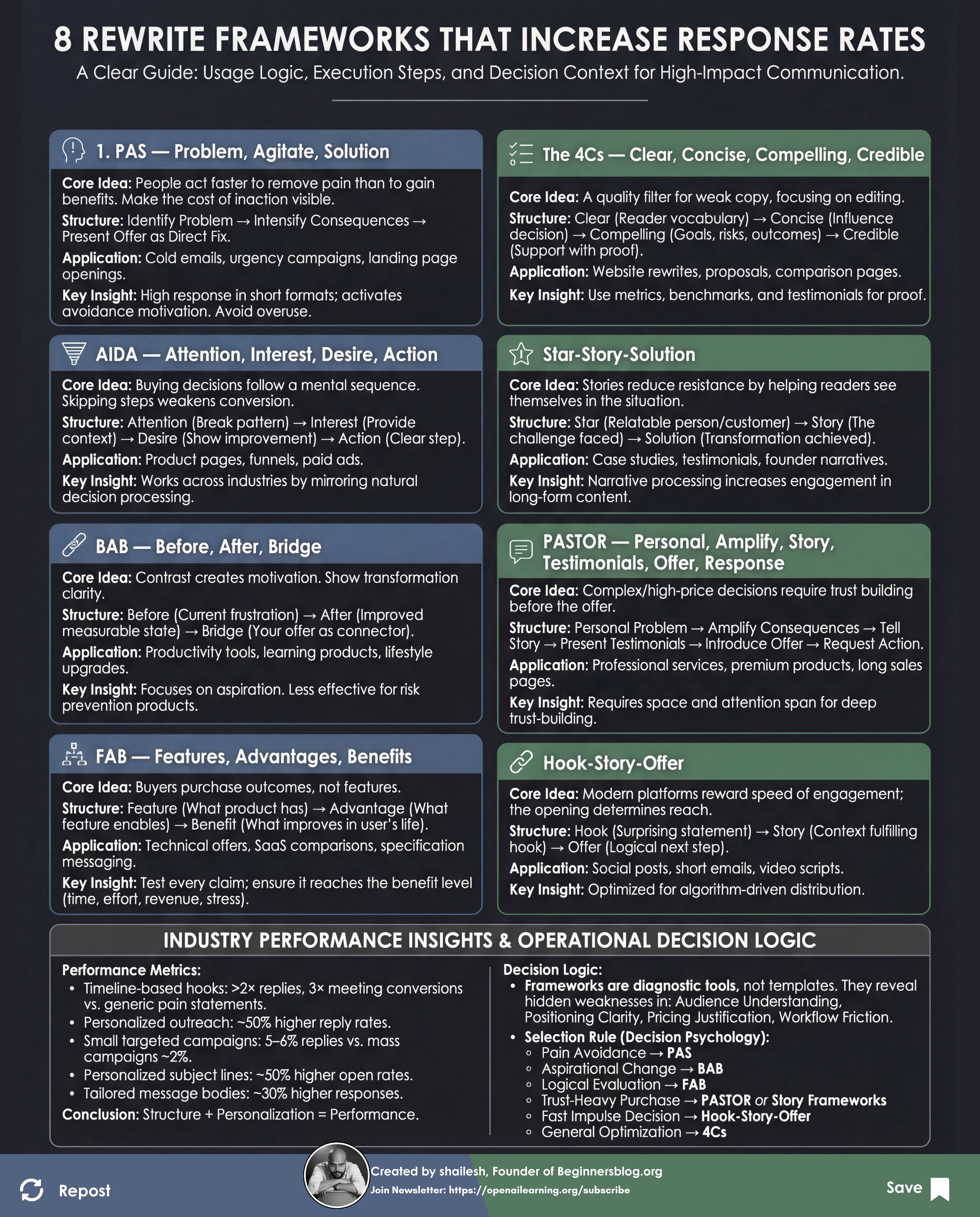
8 rewrite + Prompts frameworks that consistently increase replies, clicks, and conversions
10 Ways Small Businesses Are Using AI Right Now That Large Corporations Haven’t Figured Out Yet
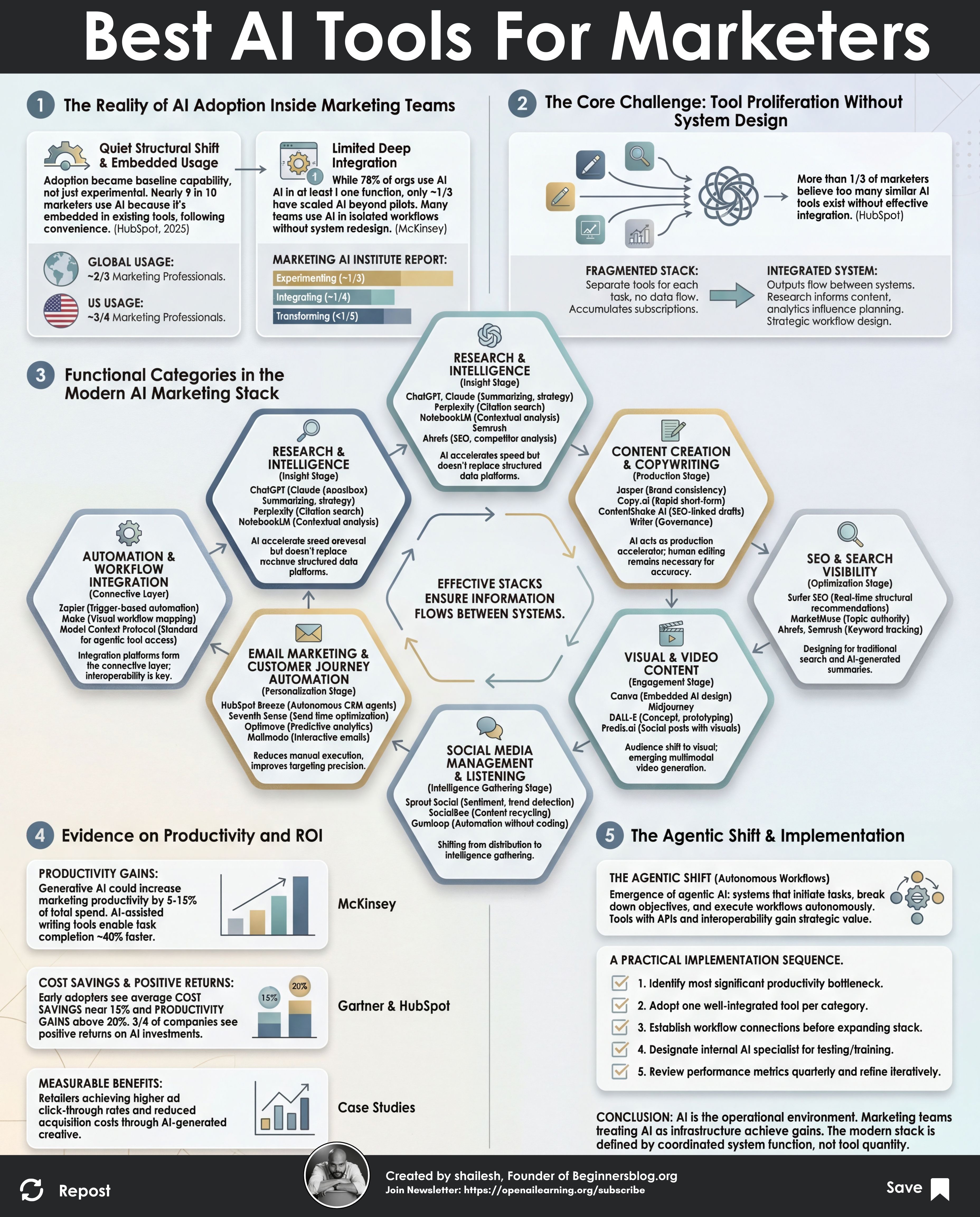
Best AI Tools For Marketers In 2026
How To Run OpenAI’s Codex Even If Your Laptop is Shut Down
OpenAI Releases GPT-5.4 Mini and Nano, Bringing Near-Flagship Power to Free ChatGPT Users
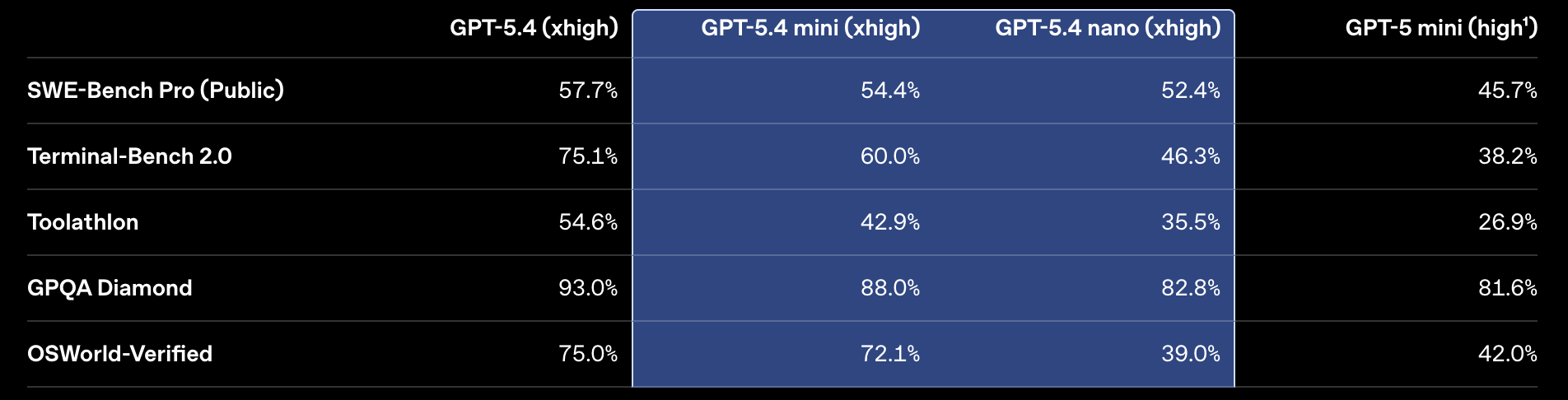
On March 17, OpenAI shipped GPT-5.4 mini and GPT-5.4 nano, two compact models designed to deliver much of the flagship GPT-5.4's capability at a fraction of the cost and latency. Mini runs more than twice as fast as GPT-5 mini while scoring 54.4 percent on SWE-Bench Pro, close to the flagship's 57.7 percent, and it is now available to free and Go-tier ChatGPT users through the Thinking feature.
Nano targets ultra-high-volume tasks like classification and data extraction at just twenty cents per million input tokens. OpenAI is explicitly marketing these for subagent architectures, where a larger model handles planning while mini or nano agents execute narrower tasks in parallel. The release signals a broader industry shift: the best model for any given job is increasingly not the largest one, but the one that balances speed, cost, and reliability. (Source: OpenAI — Read original )
Mistral AI Launches Forge, a Platform That Lets Enterprises Build AI Models From Their Own Data
French AI startup Mistral announced Forge on March 17 at NVIDIA GTC, a platform that enables enterprises to train custom AI models grounded in their proprietary knowledge rather than generic internet data. Unlike the more common approach of fine-tuning existing models or using retrieval-augmented generation, Forge supports full pre-training from scratch on internal documents, codebases, and operational records. Early adopters include ASML, Ericsson, and the European Space Agency.
CEO Arthur Mensch said the company is on track to surpass one billion dollars in annual recurring revenue this year. The launch is a deliberate bet on the enterprise market, where Mistral sees an opportunity to compete not on consumer adoption but on giving organisations deeper control over their AI infrastructure and intellectual property (Source: TechCrunch — Read original)
AI & Tech News
Tesla gives its next AI chip a clearer timeline
Elon Musk said Tesla may finish the design of its AI6 chip in December. The chip is expected to support self-driving vehicles and humanoid robots. Samsung is set to manufacture it under a $16.5 billion supply deal, with production planned for 2027. This is one of the clearest signs yet that Tesla wants more control over the AI hardware behind its products. (Source: Reuters, March 19, 2026. (Reuters))
Nvidia puts inference at the center of its next phase
Nvidia said the revenue opportunity for its AI chips could reach at least $1 trillion through 2027. The company used its GTC stage to push harder into inference, the part of AI that answers questions and runs tasks in real time. It also unveiled a new CPU and a system built with Groq technology. The message was simple: the market is moving beyond training models and into large scale deployment.
(Source: Reuters, March 16, 2026. (Reuters))
OpenAI moves deeper into government AI
Reuters reported that OpenAI is selling AI services to U.S. agencies through Amazon’s cloud unit. The company also secured a Pentagon contract that now extends into classified work.That is a meaningful shift from experimental use to higher stakes government deployment. It shows how cloud distribution is becoming part of the AI power map, not just the model itself. (Source: Reuters)
Perplexity turns a spare Mac into an AI agent
Perplexity launched Personal Computer, a new tool that can turn a spare Mac into a locally run AI system. The company is pitching it as a digital proxy that can act on behalf of the user. That makes the product part of the broader shift from chat interfaces to agent style tools. It is a useful signal that the next round of AI products will be judged on action, not just answers. (Source: The Verge)
A new startup says power efficiency is the real AI bottleneck
Niv AI came out of stealth with $12 million in seed funding. Its pitch is simple: AI hardware wastes too much power, and that cost needs to be measured and managed better. That is a real world problem for data centers already pushing electrical limits. The company’s launch points to a growing market for infrastructure tools around AI, not just models. (Source: TechCrunch)
Memories AI wants machines to remember what they see
Memories AI is building a visual memory layer for wearables and robotics.
The company says AI needs to remember what it sees if it is going to work well in the physical world. Its Nvidia backed collaboration adds more weight to that idea.
This is a useful glimpse of where AI is headed next, from text prediction toward long term visual context. (Source: TechCrunch)
Top AI tools to check out…
I’ve been building a best AI tool directory where you’ll find the best of the best tool and their USECASES.

How Satisfied Are You with Today’s Newsletter? |
Thanks for your time!
Shailesh & OpenAILearning team